
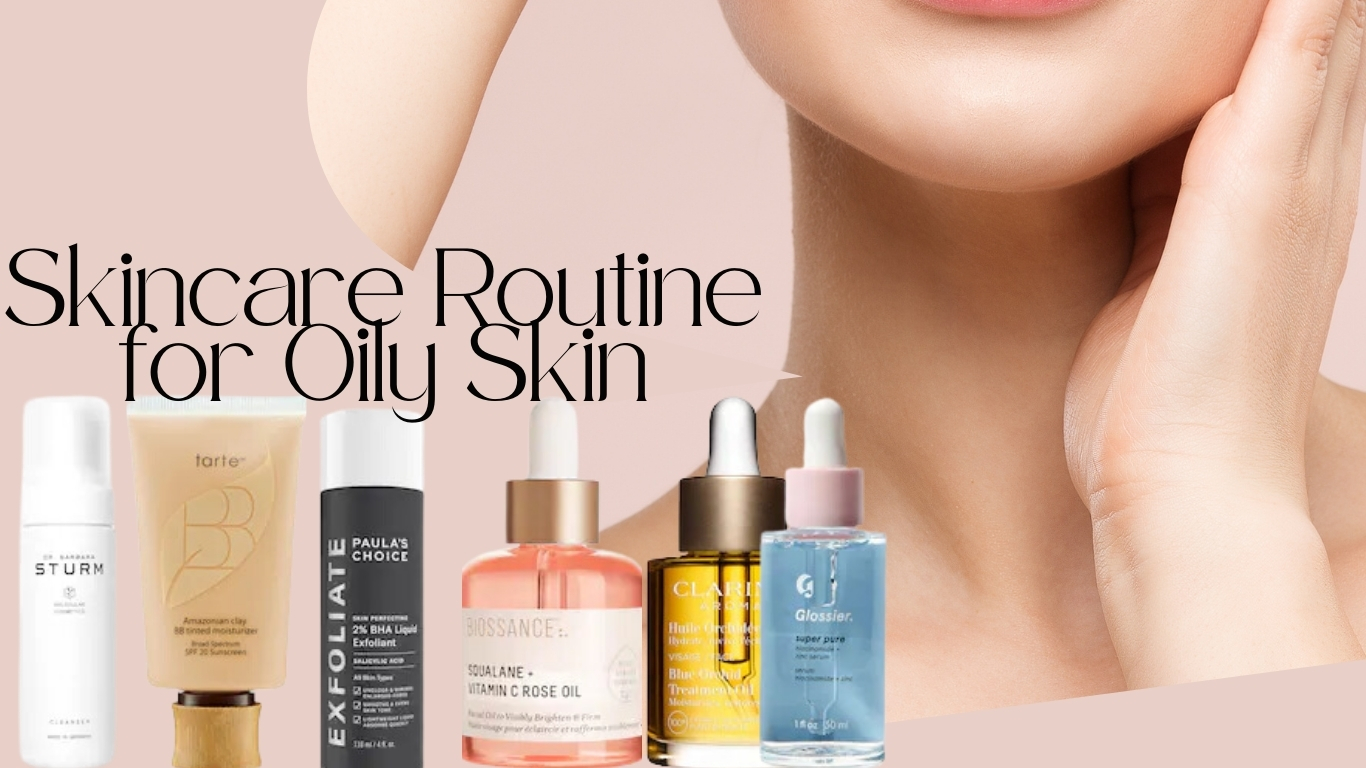
Finding the proper skincare routine for oily skin can often feel daunting, especially with the myriad of products and advice available. Oily skin, characterized by excess sebum production, can lead to various skin concerns, including acne, enlarged pores, and a shiny complexion. However, with the right approach and dermatologist-recommended tips, you can effectively manage your oily skin and maintain a healthy, radiant complexion. This article will explore the best skincare routine for oily skin, including cleansing techniques, product recommendations, and tips for skin protection.
What is the Best Skincare Routine for Oily Skin?
How to Clean Oily Skin Effectively?
The first step is to cleanse your face properly. Cleansing helps remove excess oil, dirt, and impurities that can contribute to breakouts. Choose a gentle cleanser specifically formulated for oily skin types. Look for a face wash that contains salicylic acid, which can penetrate the pores and help eliminate dead skin cells. Washing your face twice a day, in the morning and at night, is crucial to maintain clean skin and reduce the appearance of shine. Ensure you use lukewarm water, as hot water can strip the skin of its natural oils, leading to irritation and an overproduction of sebum.
What Products Should I Use in a Skincare Routine for Oily Skin?
When selecting skincare products for oily skin, opting for non-comedogenic formulations that won’t clog your pores is essential. Incorporate an oil-free moisturizer into your routine to hydrate your skin without adding excess oil. A lightweight serum containing ingredients like retinol can also be beneficial, as it promotes cell turnover and improves skin texture. Additionally, toner can help balance the skin’s pH levels and reduce oiliness. Look for toners with witch hazel or tea tree oil, which can calm the skin and minimize pores.
How Often Should I Exfoliate Oily Skin?
Exfoliation is a critical step in any skincare routine for oily skin. It helps remove dead skin cells that can clog pores and lead to acne. However, it’s essential not to over-exfoliate, as this can damage the skin barrier and cause irritation. For oily skin types, exfoliating 1-2 times a week with a chemical exfoliant containing salicylic or glycolic acid is advisable. These ingredients help to gently exfoliate the skin and improve the overall texture, leading to a more even skin tone and reduced breakouts.
What Are the Best Products for Oily Skin?
What Ingredients Should I Look for in Products for Oily Skin?
- When shopping for the best products for oily skin, focus on ingredients that help control oil production and prevent acne. Salicylic acid is a standout ingredient, as it penetrates deep into the pores and helps remove excess oil and debris. Additionally, look for niacinamide products, which help regulate sebum production and improve skin texture. Other beneficial ingredients include alpha-hydroxy acids (AHAs) and beta-hydroxy acids (BHAs), which exfoliate the skin and reduce the appearance of pores.
Do Dermatologists recommend any Oil-Free Moisturizers?
Yes, dermatologists often recommend oil-free moisturizers for people with oily skin. These moisturizers provide the necessary hydration without contributing to excess oil production. Look for lightweight, gel-based formulations containing hyaluronic acid, which helps hydrate the skin while keeping it fresh and not greasy. Using a suitable moisturizer for oily skin is crucial to maintain a healthy skin barrier and prevent the skin from becoming overly dry, which can lead to more oil production.
How to Choose the Right Toner for Oily Skin?
Choosing the right toner for oily skin can significantly enhance your skincare routine. A good choice for oily skin is a toner with astringent properties, such as witch hazel or tea tree oil. These ingredients help tighten pores and reduce oiliness. Moreover, avoid toners with high alcohol content, as they can irritate sensitive skin and cause the skin to produce more oil in response. Instead, opt for alcohol-free formulas that provide a refreshing feel while helping to calm the skin and maintain moisture.
How Can I Manage Acne-Prone Skin in My Skincare Routine?
What Role Do Cleansers Play in Preventing Acne?
Cleansers are essential in managing acne-prone skin, especially for individuals with oily skin. A good cleanser removes makeup and impurities and helps prevent breakouts by keeping pores clear. When choosing a cleanser, look for options containing salicylic acid, which can assist in unclogging pores and reducing acne. Regular cleansing helps regulate oil production and keeps the skin fresh and clean, thus playing a vital role in your skincare routine for oily skin.
How Effective is Salicylic Acid for Oily Skin?
Salicylic acid is highly effective for oily skin and is widely recommended by dermatologists. This beta-hydroxy acid works by penetrating deep into the pores, dissolving excess oil, and aiding in the shedding of dead skin cells. Regular use of salicylic acid can help prevent breakouts and reduce the appearance of existing acne. Incorporating products with salicylic acid into your skincare routine can lead to clearer skin and a significant improvement in overall skin texture.
Should I Use Benzoyl Peroxide for Acne on Oily Skin?
Benzoyl peroxide is another powerful ingredient for those with oily, acne-prone skin. It works by killing acne-causing bacteria and reducing inflammation. However, using this ingredient carefully is essential, as it can be potent and cause dryness or irritation if overused. Begin with a lower concentration and apply it as a spot treatment or in a formulated product, ensuring to monitor your skin’s response. When used correctly, benzoyl peroxide can help reduce active breakouts and keep oily skin under control.
What Steps Should I Include to Protect My Skin?
Why is Sunscreen Important for Oily Skin?
Many people with oily skin skip sunscreen, thinking it will exacerbate their skin concerns. However, sunscreen is crucial for everyone, including those with oily skin types. Sunscreens formulated for oily skin are typically oil-free and lightweight, helping to protect the skin from harmful UV rays without causing additional shine. Regular use of sunscreen can prevent sun damage, premature aging, and the worsening of existing skin concerns, making it an essential step in any skincare routine.
How to Hydrate Oily Skin Without Adding Excess Oil?
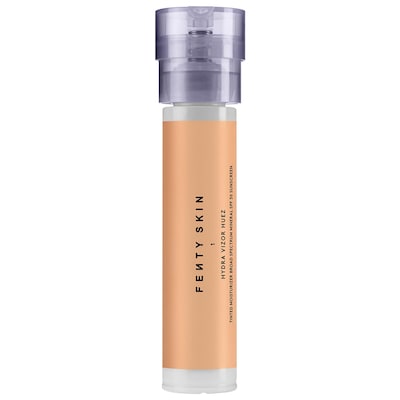
Hydrating oily skin without adding excess oil can be achieved using water-based moisturizers that provide sufficient hydration without clogging pores. Look for products labeled as “non-comedogenic” and those that include hydrating ingredients such as hyaluronic acid or glycerin. These ingredients attract moisture to the skin without the heaviness of traditional creams. A hydrating serum can boost moisture levels while keeping your skin fresh and balanced.
What is the Best Way to Moisturize Oily Skin?
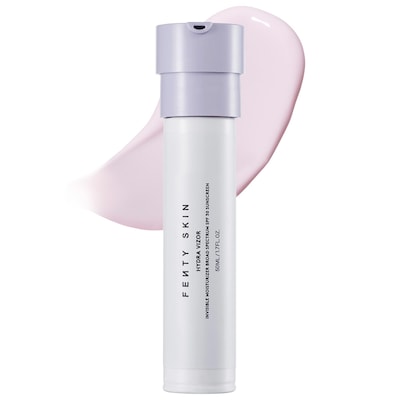
A lightweight, oil-free moisturizer is the best way to moisturize oily skin. These products are designed to hydrate the skin without adding extra oil, making it feel soft and smooth. After cleansing and toning, applying moisturizer helps lock in hydration and maintain a healthy skin barrier. For those with oily skin, avoiding heavy creams that may lead to breakouts is crucial. Instead, opt for gel-based or water-based moisturizers that provide essential moisture while keeping the skin looking matte.
How to Identify Your Skin Type and Tailor Your Routine?
How Do I Determine if I Have Oily Skin?
Identifying your skin type is the first step in tailoring an effective skincare routine. Oily skin typically appears shiny, especially in the T-zone (forehead, nose, and chin), and may have enlarged pores. You likely have oily skin if you experience breakouts frequently and notice that your skin feels greasy a few hours after cleansing. Conducting a simple skin test can help, where you refrain from applying any products for a day and observe how your skin behaves throughout the day.
What Are Common Skin Concerns Associated with Oily Skin?
People with oily skin often face specific concerns, including acne, enlarged pores, and uneven skin texture. The overproduction of sebum can lead to clogged pores, resulting in breakouts and blackheads. Oily skin types may also experience dullness and a lack of radiance if not correctly cared for. Understanding these common concerns is essential for developing an effective skincare routine that addresses each issue.
How Can I Adjust My Skincare Routine for Seasonal Changes?
Seasonal changes can significantly impact your skin, and adjusting your skincare routine is crucial. In humid summer, you may need lighter products to avoid feeling greasy; a more hydrating moisturizer in winter can help combat dryness. Pay attention to your skin’s needs and be flexible with your products. For instance, consider switching to a gel-based moisturizer in the heat and a creamier formula during colder months to maintain balance and hydration without exacerbating oiliness.